




















Skip to content
HubSpot, NetSuite & Postgres in sync
  1. Home /
  2. Industries /
  3. Energy

Energy industry
integration platform

A real-time integration platform for connecting meter, ERP, GIS, billing, and field-service data across energy operations.

Adopted by fast-scaling companies moving mission-critical data in real time

Case study
Migrated from MuleSoft
Case study
Migrated from Celigo
Migrated from Heroku Connect
Migrated from Matillion
Case study
Migrated from Fivetran
Case study
Migrated from Celigo
The pressure on energy operators

Three integration problems Stacksync was built to solve.

Utilities and renewable-energy companies depend on specialized operational, customer, billing, and analytics systems. When these systems are not synchronized, data latency and reconciliation work affect grid operations, customer service, and regulatory reporting.

01 - Grid edge

Smart-meter and SCADA data lives in silos

AMI head-ends, OSIsoft PI, DERMS, and SCADA historians use different data models and interfaces. Moving this data into a CIS or analytics warehouse often depends on scheduled extracts that limit operational visibility.

OPERATIONAL DATA

02 - Customer ops

Billing, CRM, and field service drift apart

A move-in in Salesforce, a meter swap in ServiceMax, and a final bill in SAP IS-U are parts of the same customer event. Without two-way synchronization, teams must reconcile these records manually, increasing billing and service risk.

REVENUE & CX
03 - Compliance

NERC CIP, GDPR, and audit trails on every record

Each connector expands the integration surface covered by security and compliance reviews. Typed schemas, row-level lineage, and replayable history provide a governed alternative to undocumented scheduled scripts.

RISK & AUDIT
PLATFORM

Six products. One Platform.
Replace many legacy vendors.

Every tool Stacksync replaces is one fewer vendor, one fewer bill, one fewer integration to maintain.

Start building now
Start building now
Connectors

Every system in your energy stack, already mapped.

Stacksync provides native, typed connectors for systems used by utilities and renewable-energy operators. Connector architecture and synchronization direction depend on the capabilities and requirements of each system.

CIS & billing
04
  • SAP IS-U
  • Oracle CC&B
  • Itineris UMAX
  • Open Smart Flex
Operational data
04
  • OSIsoft PI
  • Honeywell PHD
  • AVEVA Historian
  • Itron Riva
GIS & assets
04
  • ESRI ArcGIS
  • Schneider ArcFM
  • Bentley OpenUtilities
  • IBM Maximo
CRM & customer
04
  • Salesforce Energy Cloud
  • Microsoft Dynamics 365
  • HubSpot
  • Zendesk
Field service
04
  • ServiceMax
  • Salesforce FSL
  • ClickSoftware
  • Oracle Field Service
Analytics
04
  • Snowflake
  • Databricks
  • BigQuery
  • Tableau
Don't see your system? Stacksync's connector framework supports custom integrations for systems with an accessible API.
Browse all 1,000+ connectors
SECURITY

Security teams trust Stacksync

As a data company, we understand the importance of keeping your data secure. Stacksync is built with security best practices to keep your data safe at every layer, and is DPF-certified for US, EU, UK and CH data transfers.

SOC 2 Type II
ISO 27001
HIPAA BAA
GDPR
CCPA
DPF US-EU-UK-CH
→ SECURITY WITH BENEFITS

SSO & SCIM

Let your users access Stacksync from your centralized user management systems. Works with Okta, Azure, Google SSO and more.

Alerts

Immediately get alerted about record syncing issues over email, Slack, PagerDuty and WhatsApp. Resolve issues from a centralized dashboard with retry and revert options.

Secure connection options

Securely connects to your systems with:

CUSTOMER STORIES

Global enterprises and high-growth teams run on Stacksync.

E-Commerce · DTC · Provo, UT

Black Friday at scale, without losing a single order.

Just Ingredients runs a high-volume DTC business on a stack that has to absorb traffic spikes without dropping an order. Stacksync moves orders, customers and inventory between Shopify, NetSuite and the warehouse in real time, even on the heaviest days of the year.

Black Friday
survived without incident
Real-time order + inventory sync
0
orders lost
Lossless triggers, replayable end-to-end
Renewable Energy · Enterprise · Summit, NJ

Production data flows across HubSpot, NetSuite and Postgres.

Nautilus Solar manages community-solar portfolios with production data flowing across HubSpot, NetSuite and Postgres. Stacksync supports these core integrations following the company's move from Boomi, with additional workflow and EDI requirements managed on the same platform.

3
core systems connected
HubSpot · NetSuite · Postgres
Production
integration environment
Expanded beyond legacy iPaaS
Interactive Commerce · Media Tech · New York, NY

Engineers back on the core product.

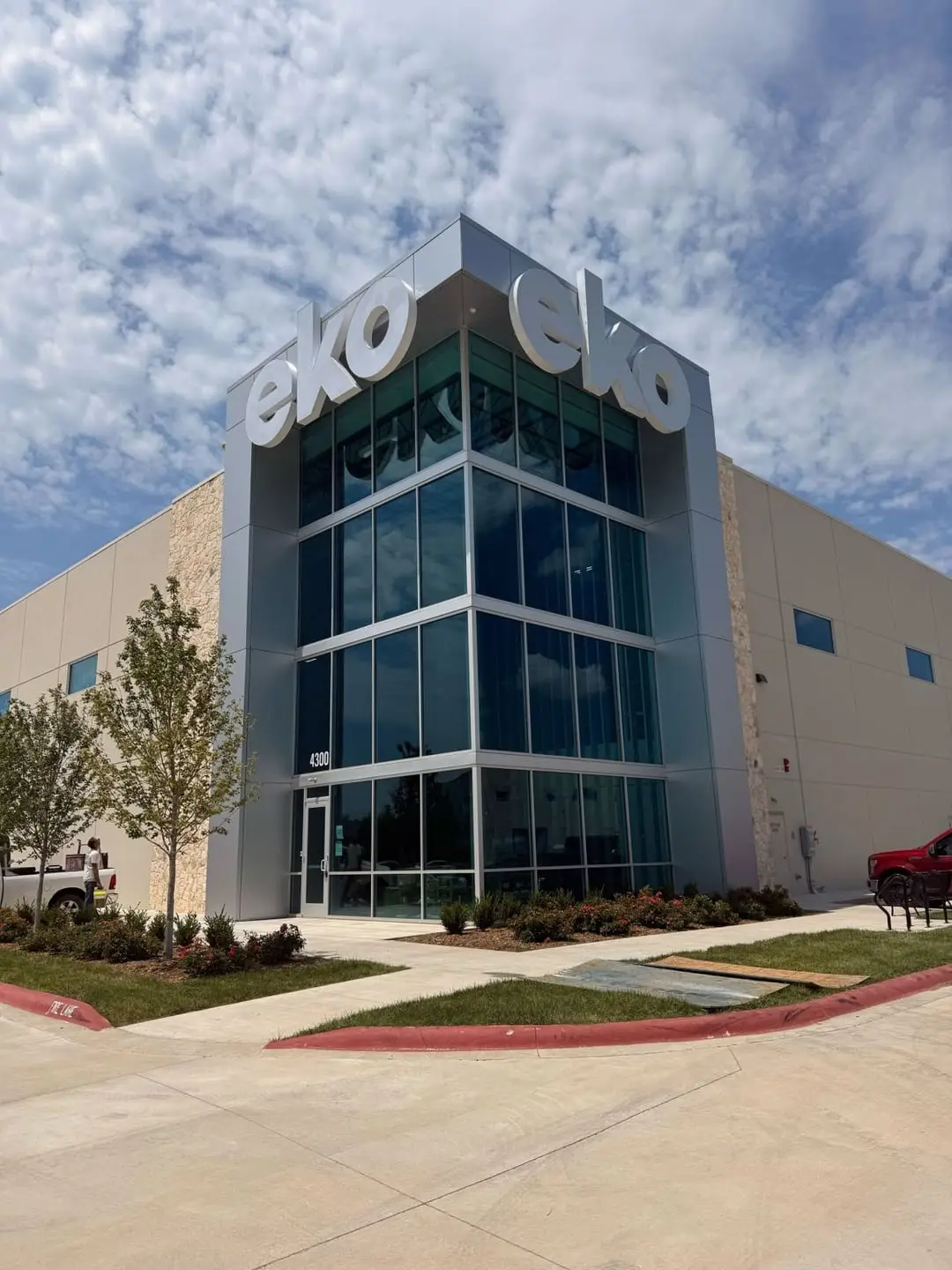
Eko's engineering team was spending sprints on brittle integration plumbing. Stacksync took over the syncs and workflows between their CRM, data warehouse and product app stack, freeing significant engineering capacity for product innovation.

100%
integration ops handed off
CRM, warehouse and product app stack
Weeks
reclaimed per quarter
Redirected to the product roadmap
Automotive Logistics · Enterprise · St. Louis, MO

From Heroku Connect to a real-time competitive edge.

ACERTUS replaced Heroku Connect with Stacksync's real-time, bidirectional sync between Salesforce and Postgres. Data integration stopped consuming their best engineers and became infrastructure they could build on, reliably, at scale.

Heroku
Connect → Stacksync
Migrated without downtime or data loss
24/7
real-time bi-di sync
Salesforce ⇄ Postgres, conflict-resolved
Coffee Hardware · DTC · San Francisco, CA

A connected stack from the showroom to the warehouse.

Fellow ties together its e-commerce, retail and back-office systems with Stacksync. Inventory, orders and customer data move in real time between Shopify, NetSuite and their support tools, so every team works from the same picture.

One
source of truth across systems
Shopify ⇄ NetSuite ⇄ support stack
Days
to roll out new flows
No-code config, version-controlled

How does Stacksync support predictive maintenance in energy?

Stacksync synchronizes sensor and operational data with the analytics and maintenance systems that energy teams use. This gives forecasting and condition-monitoring tools current data for maintenance planning and outage-risk analysis.

Is Stacksync secure and compliant for energy companies?

Stacksync provides audit trails, regional data-processing options, access controls, and other enterprise security capabilities that can support an energy company's compliance program. Customers remain responsible for validating requirements specific to their systems, jurisdictions, and regulatory obligations.

Can Stacksync handle large-scale, distributed energy data?

Yes. Stacksync supports high-volume, high-frequency synchronization across distributed systems. Capacity and architecture are validated against each customer's data volumes, latency requirements, and operating model.

How quickly can Stacksync be deployed in an energy environment?

Deployment time depends on the systems, data model, security requirements, and project scope. Existing connectors and standard configurations can reduce implementation time; Stacksync confirms the architecture and delivery plan during technical discovery.

How does Stacksync support renewable energy integration and smart grid management?

Stacksync synchronizes data from solar, wind, battery-storage, and grid systems with operational and analytics platforms. This provides current data for monitoring, planning, and load-management workflows performed by those systems.

Coworkers laughing in front of a laptop in a casual office setting

Your last integration took months.
Your next one takes a prompt.